Mobirise Website Builder

Timber Structures & Advanced Assessment Expertise

Preserving Timber Infrastructure with Precision, Not Assumption

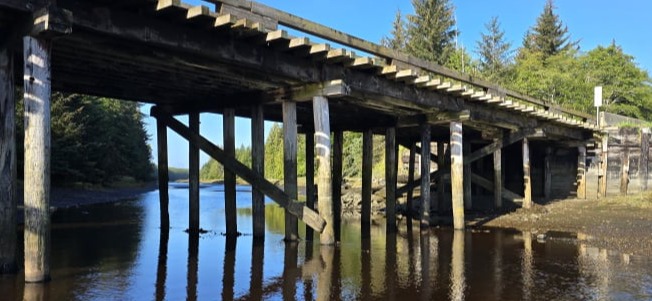
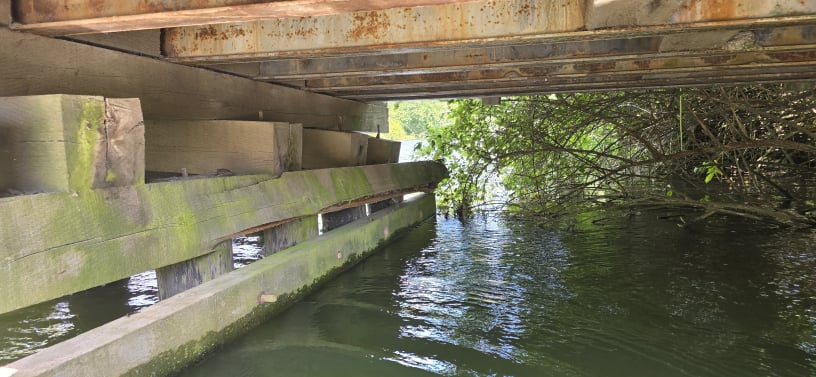
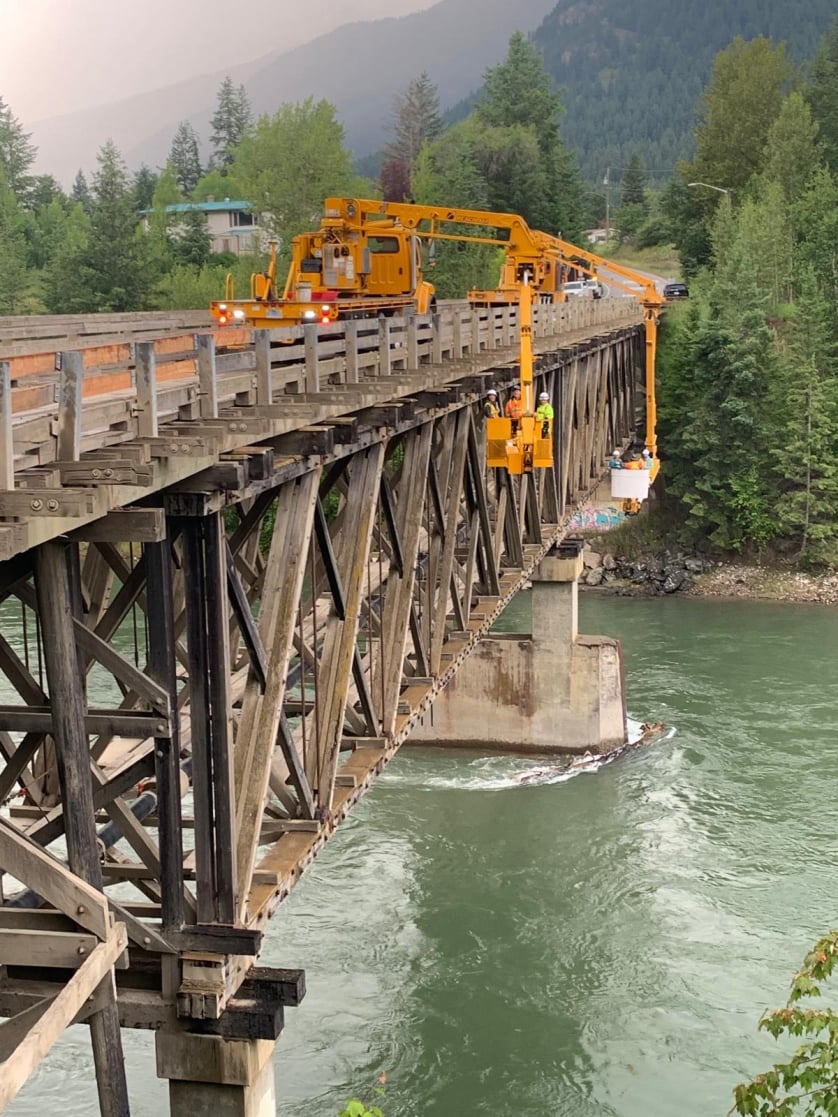
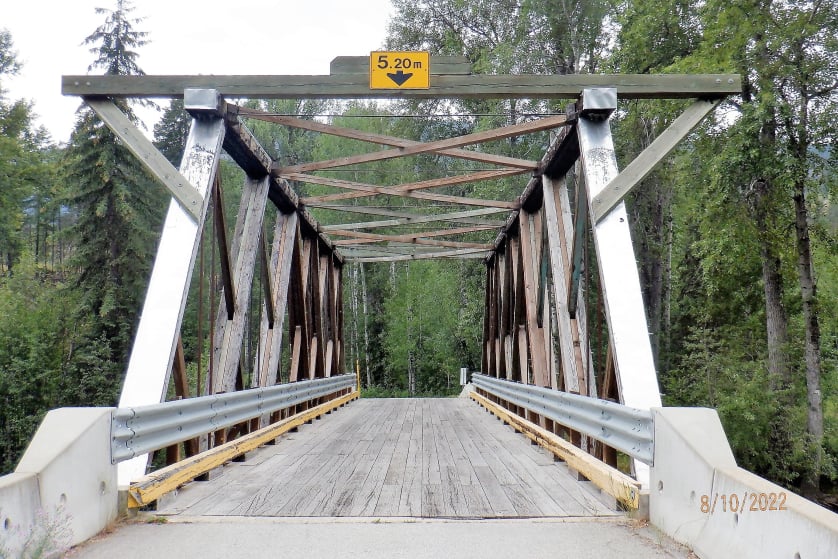
Timber bridges and structures are some of the most vulnerable – and most misunderstood – assets in today’s infrastructure networks. In the Pacific Northwest, exposure to moisture, marine environments, and biological decay accelerates deterioration, often in ways that are not visible during conventional inspections.

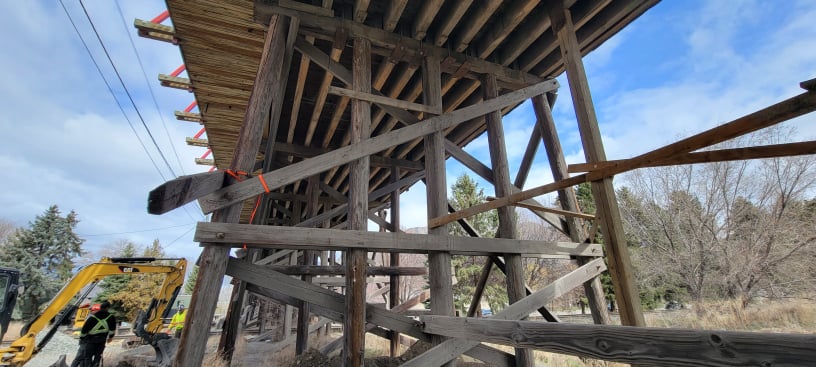
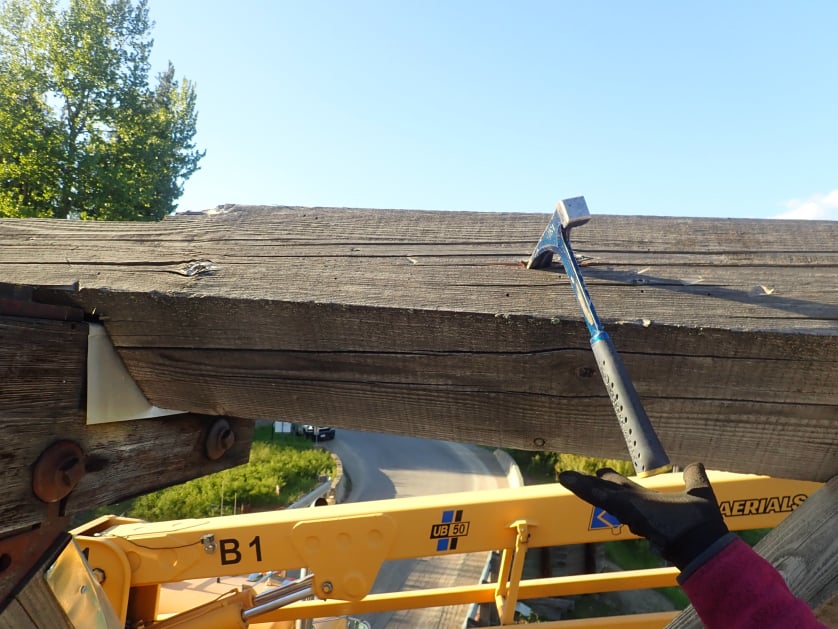
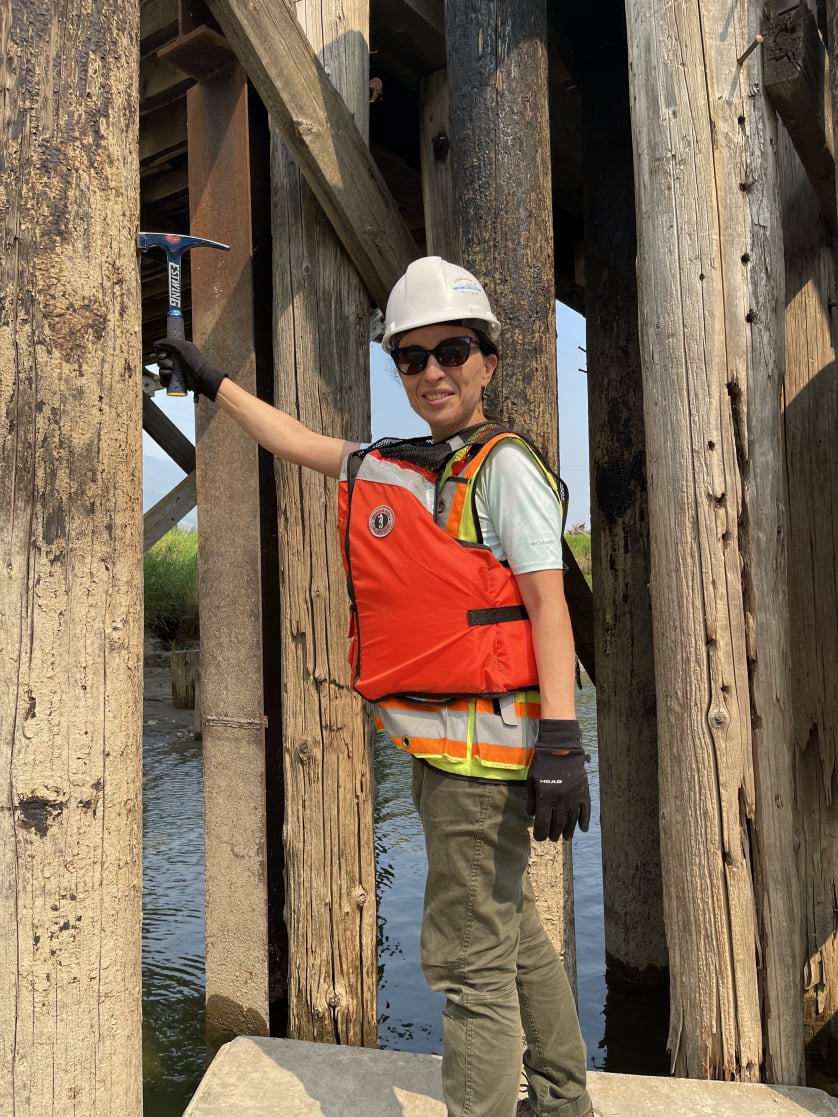
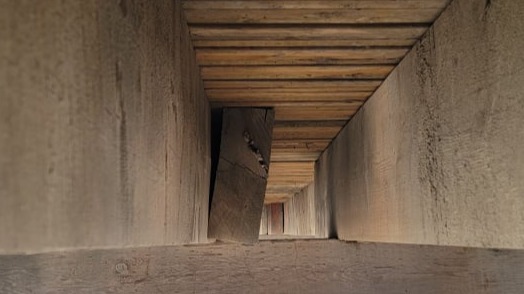
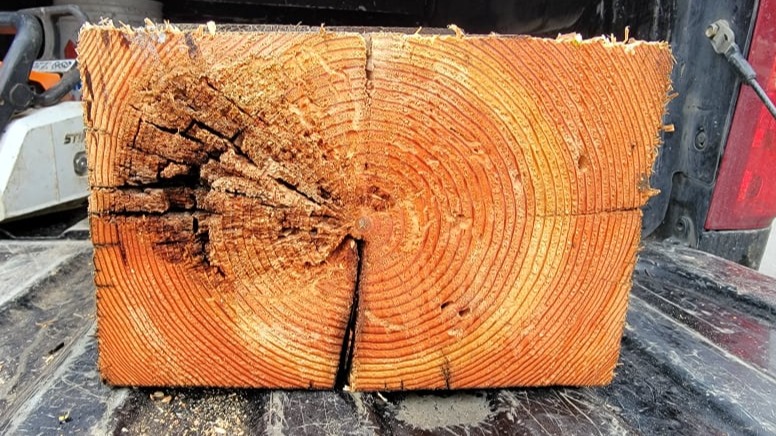
One of the most critical risks in aging timber structures is internal decay hidden beneath sound outer surfaces. Traditional inspection methods – such as visual review and hammer sounding – are effective for identifying advanced deterioration, but they are often insufficient for detecting early-stage or localized internal damage in key structural elements like piles, caps, and stringers.

Our approach focuses on moving beyond assumption-based inspection toward data-driven, defensible assessment – providing owners with clarity, confidence, and cost control.
Mobirise Website Builder
Advanced Timber Diagnostics: Resistograph Testing

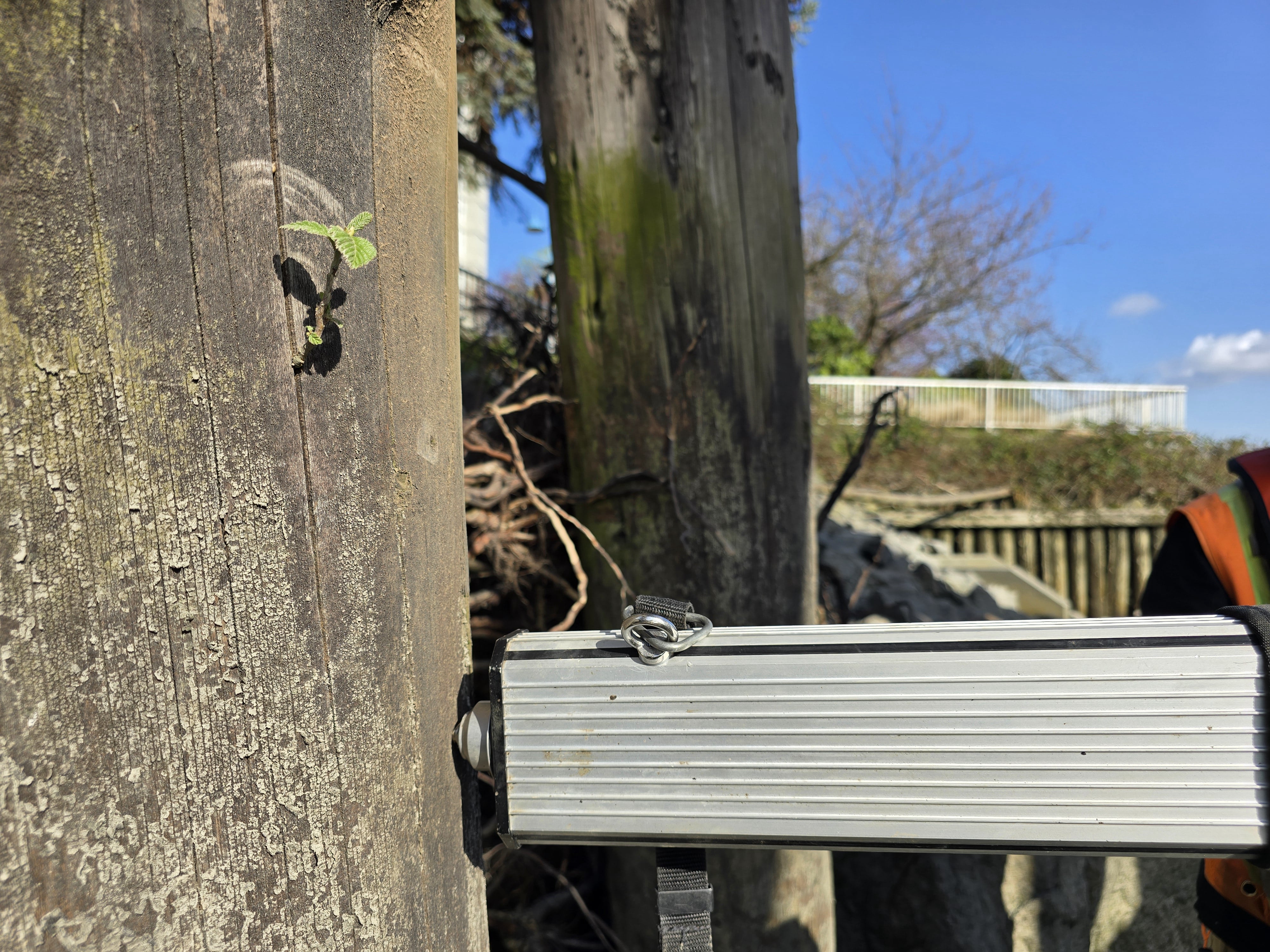
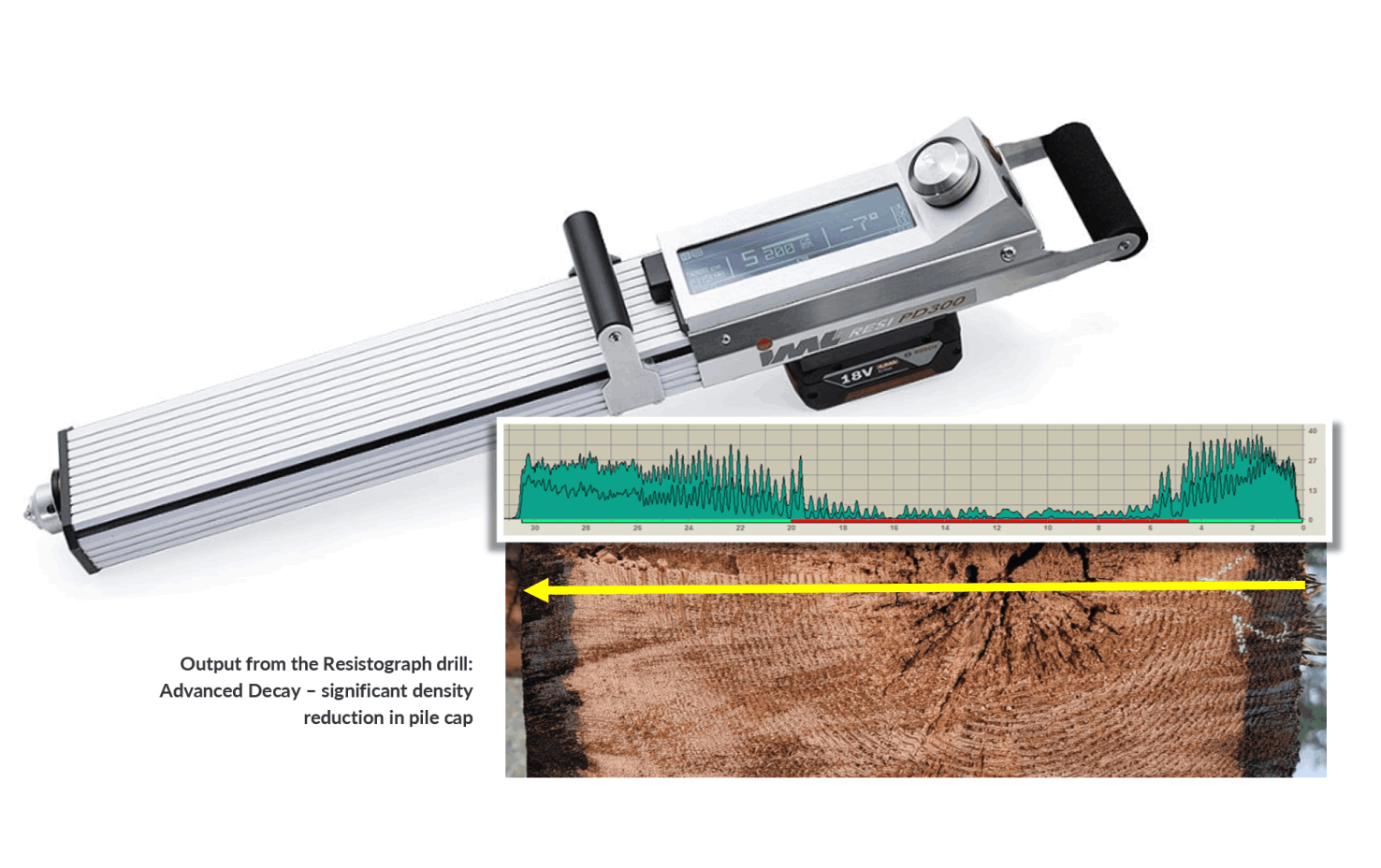
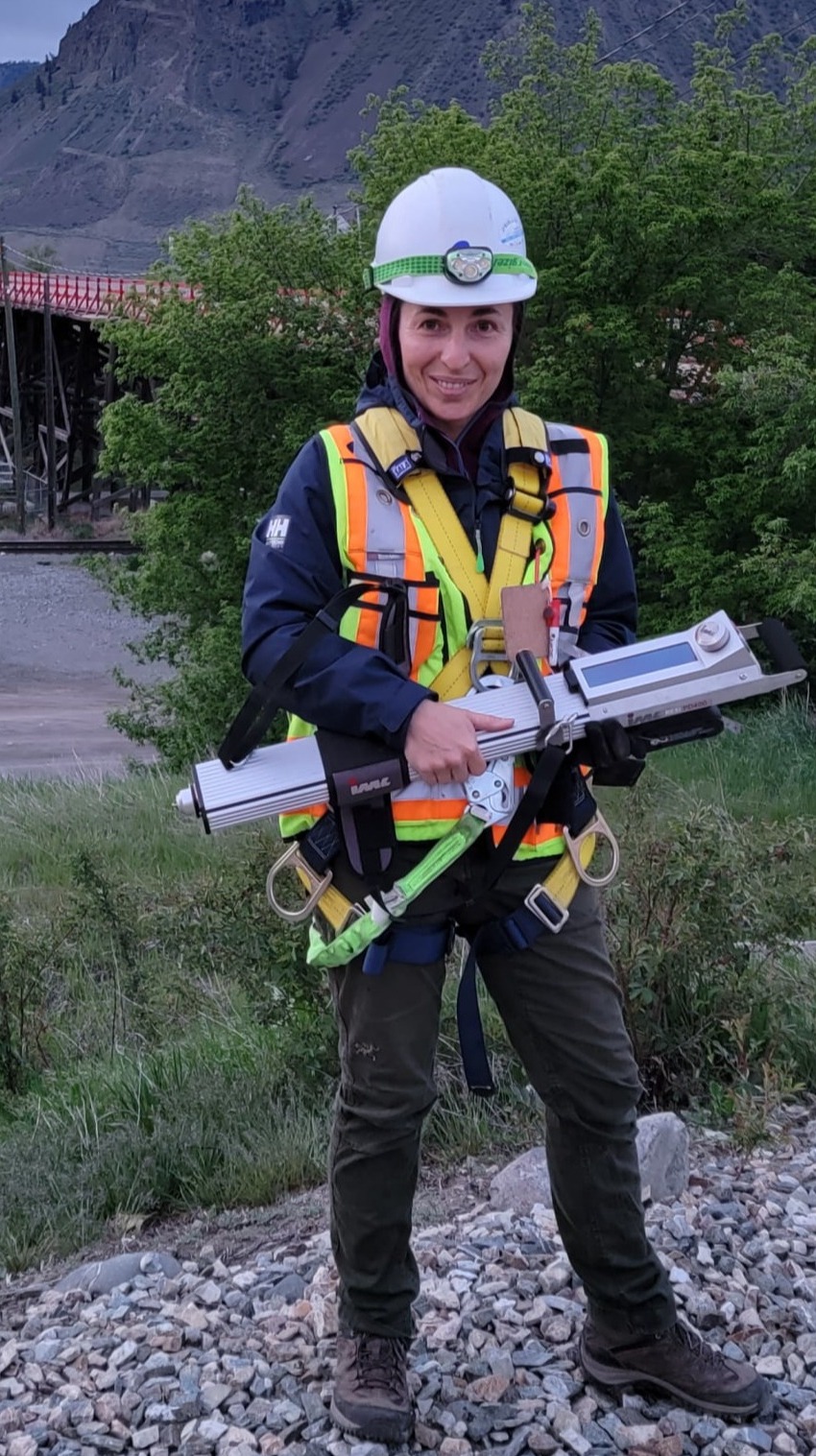
To accurately assess internal timber condition, I deploy micro-drilling resistance technology (IML Resistograph PD400) – a highly specialized, non-destructive diagnostic tool.

A 3 mm micro-drill measures resistance as it penetrates timber, producing real-time data on material density. This allows precise identification of: 
** Internal decay  **  Voids and cavities  **  Cracks and checks  **  Section loss

Unlike traditional coring or drilling methods, this approach:
- Minimizes structural impact
- Requires no plugging
- Prevents water ingress
- Preserves existing wood treatments


It also avoids a critical but often overlooked risk: cross-contamination of decay organisms, which can occur when conventional drill bits are not properly sanitized between test locations.

The result is a clean, precise, and repeatable assessment method that provides quantifiable data—not assumptions.

Mobirise Website Builder
Why This Approach Works

Traditional methods often lead to conservative decisions and unnecessary replacement.

By contrast, this approach provides: Objective, recorded data; Targeted repair strategies; Reduced disruption and cost; Confidence in decision-making

It allows owners to repair where needed, and preserve where possible.

Mobirise Website Builder
Practical Experience

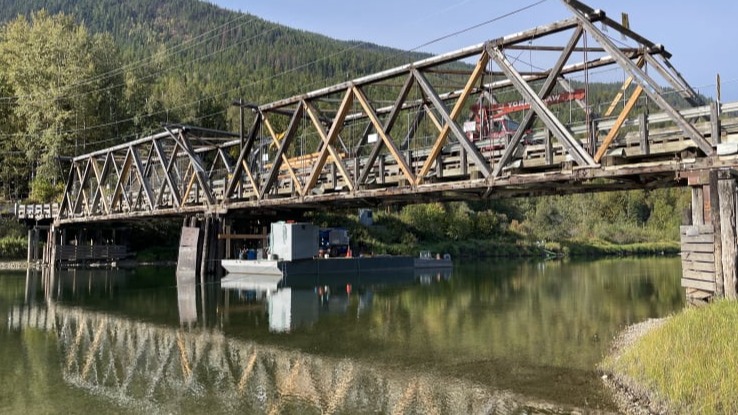
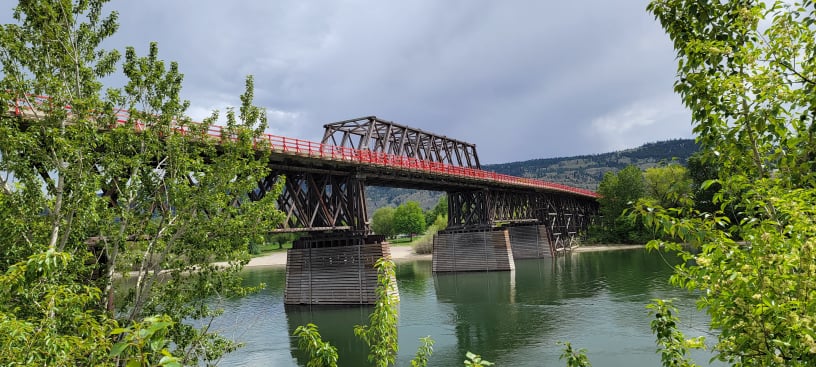
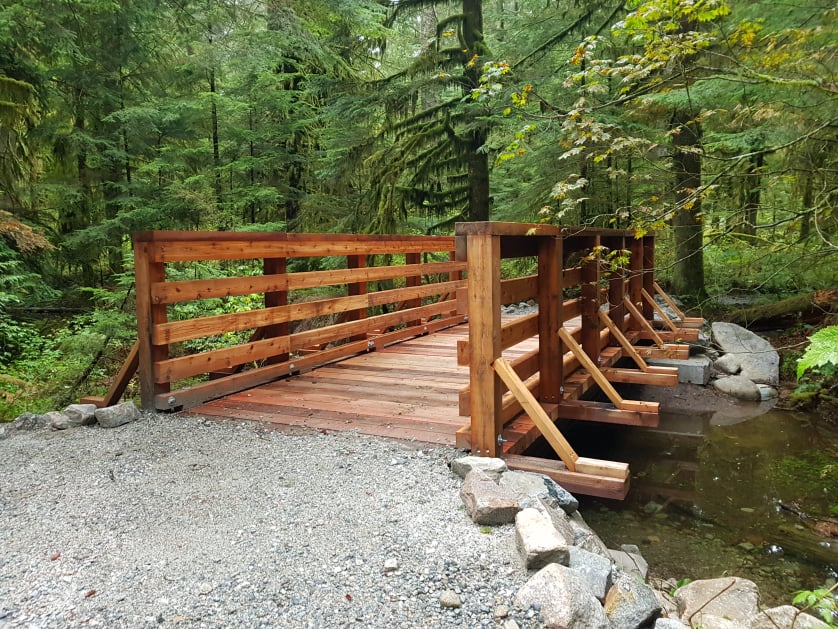
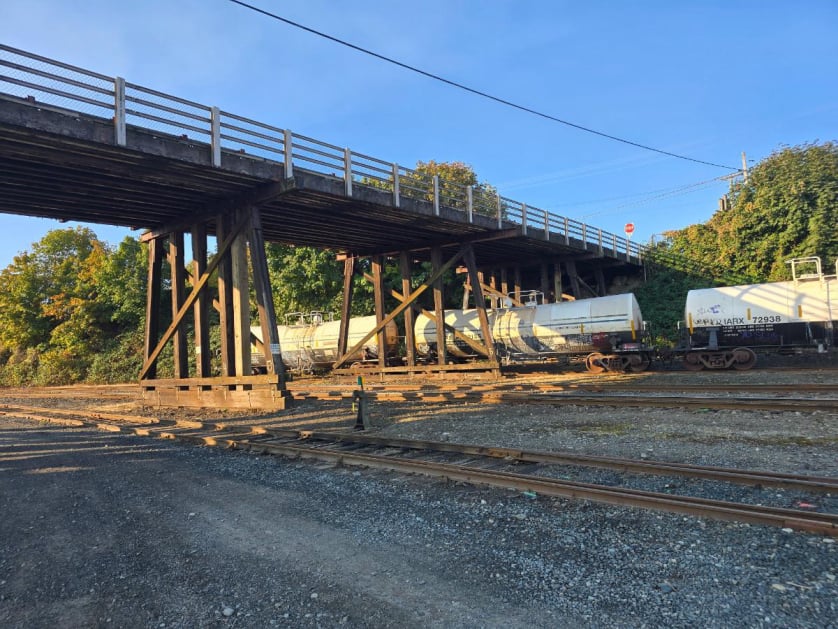
This methodology has been applied across timber bridges throughout British Columbia – ranging from remote and coastal structures to active rail crossings and heritage bridges.

The focus is always the same:
understand the true condition, avoid unnecessary replacement, and deliver practical, buildable solutions.

Mobirise Website Builder
Key Philosophy

Not all decay requires replacement.

With accurate assessment, many timber elements can safely remain in service longer than expected – supporting better lifecycle planning and significantly reducing capital costs.

Contact Us

Get in touch

Offline Website Builder